The list runs from a full-body snowsuit to a warm jacket with floral leggings, and the weather your baby will actually be in picks the piece, not the style.
Cold, windy days call for a fleece jacket or a bunting bag, while a mild day around 75°F needs a single thin layer, like a knit romper.
Whatever the season, the car seat has the final say: if the harness straps can’t lie flat against the chest over the outfit, choose something thinner and put a blanket on top.
1. Snowsuits for Winter
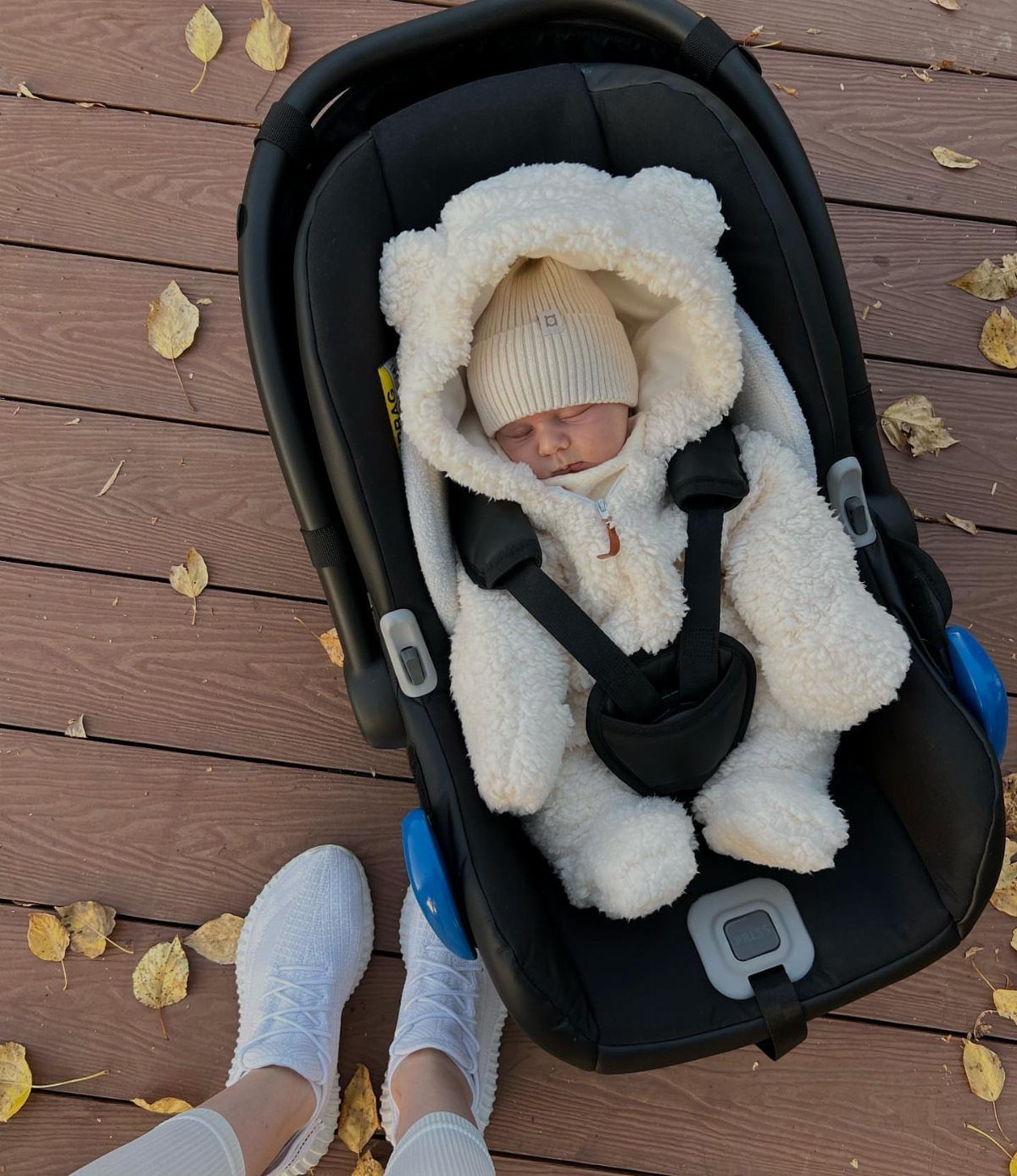
A white fuzzy bear snowsuit with a hood-style beanie is the piece I would spend real money on for a winter baby.
It covers the whole body in one layer, so there is no fiddling with separate pieces on a cold porch.
Pick one with a full front zip, since a newborn gets taken in and out of the house and the stroller constantly, and a snowsuit that opens flat is far easier to manage than one you pull over the head.
Fluffy fabric looks great, but check how it sits in the seat before you buy.
2. Sun Hats
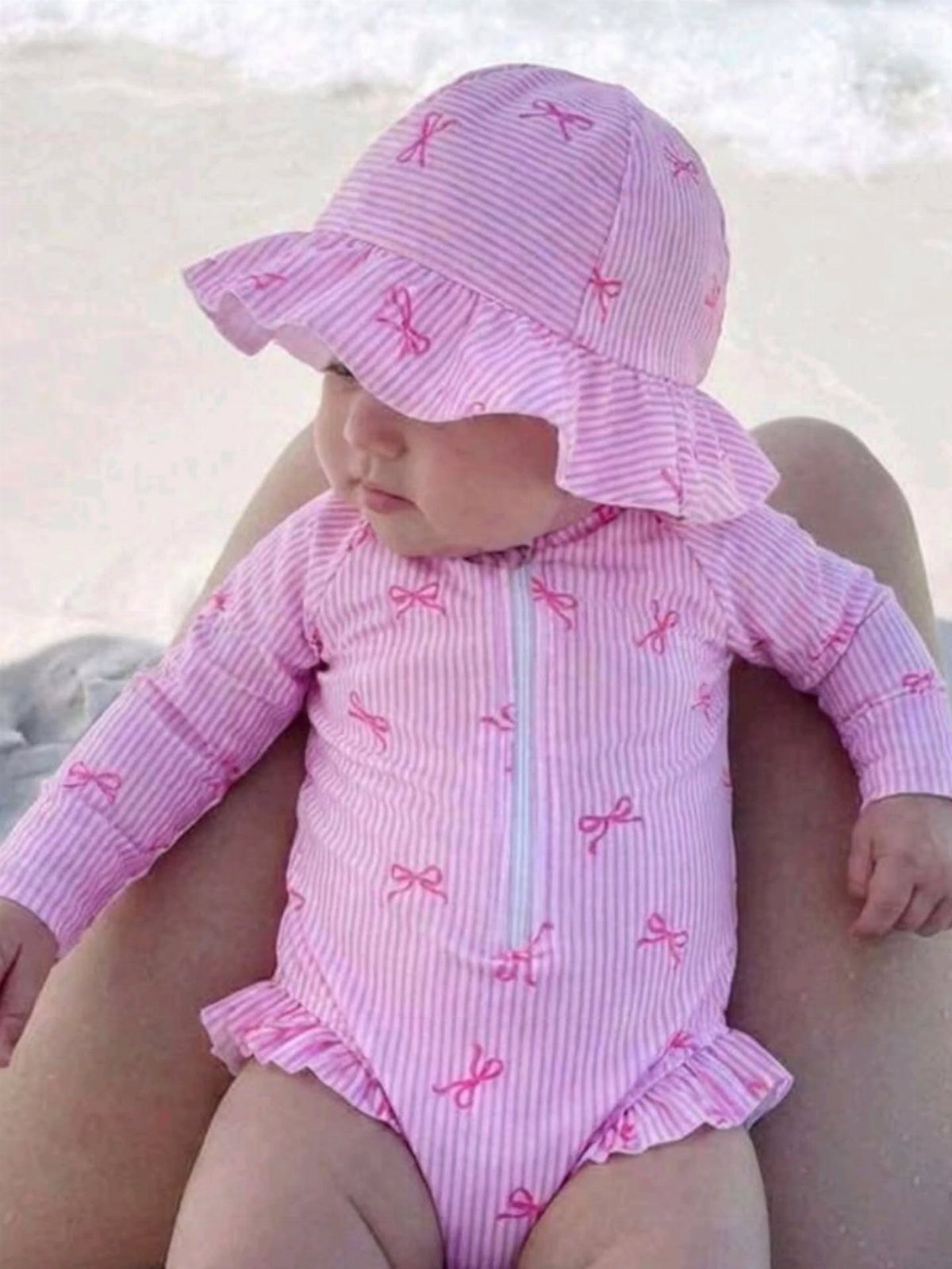
Sun protection for a baby at the beach comes down to a hat that actually stays on. A pink striped sun hat paired with a long-sleeved swimsuit covers head and arms at once.
Choose a hat with a brim wide enough to shade the face, and one that ties or fastens under the chin.
A plain floppy hat gets pulled off in seconds. Keep a spare in the bag, because sand and water ruin the first one fast.
Most doctors support using sunscreen on babies of all ages, although the Food and Drug Administration (FDA) doesn’t endorse the use of sunscreen on babies under 6 months old. For newborns, it’s really best to avoid sun exposure completely in hot or cold weather.
3. Warm Blankets
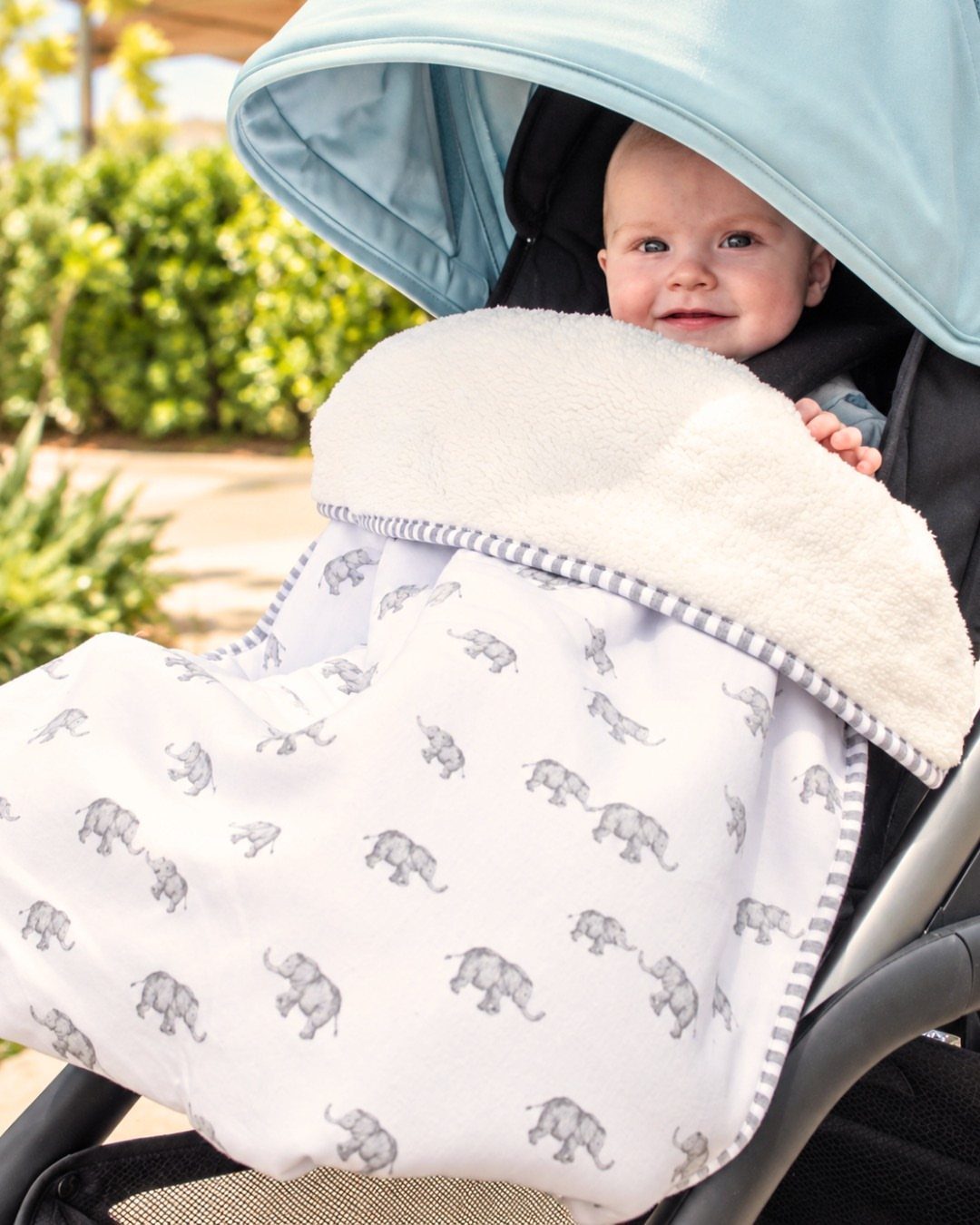
For stroller walks, pick a blanket with a fleece lining, since it holds warmth better than a single layer of cotton. The soft side goes against the baby, and the printed cotton side stays easy to wipe.
I like a blanket that tucks around the sides of the seat so it stays put over bumps. Toss a second one in the stroller basket, since a single blanket gets dropped, spit on, or both.
4. Bunting Bags
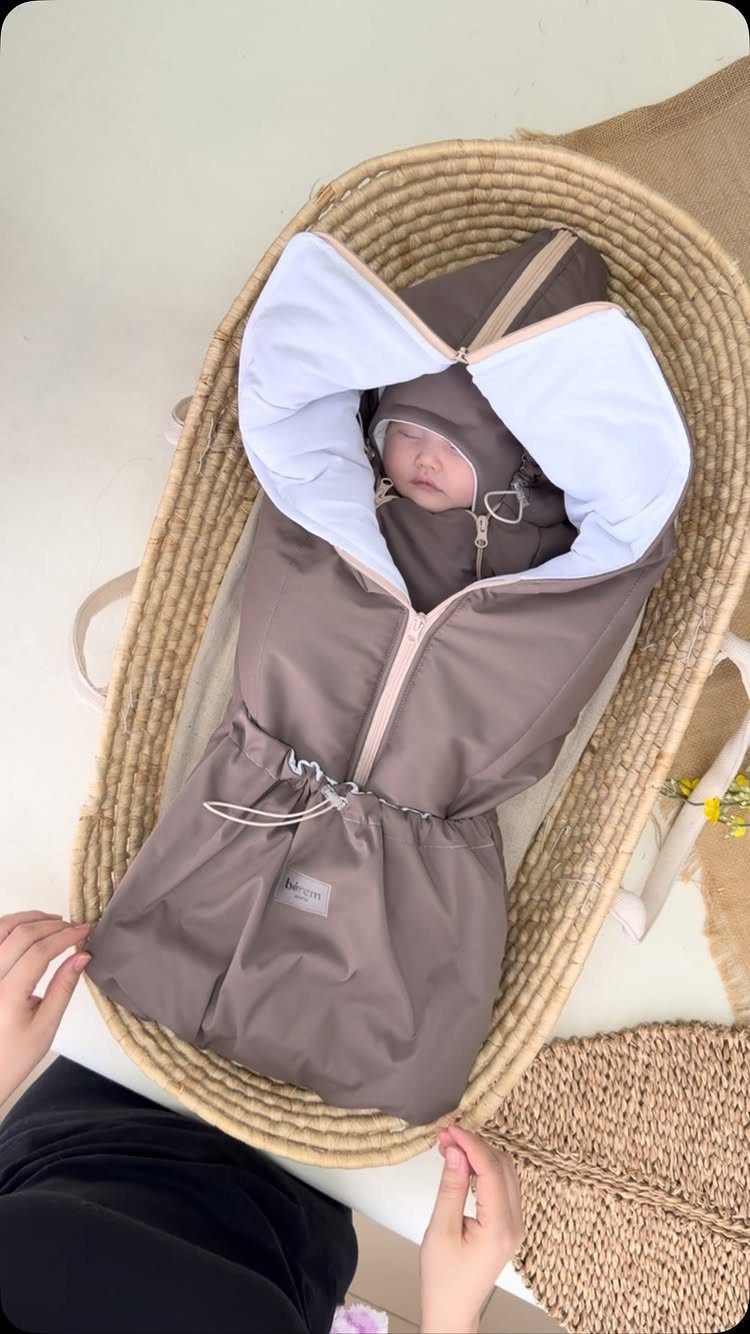
Brown bunting bags work like a wearable sleeping bag, and a newborn can be zipped in without tangling in loose fabric. One in a neutral shade matches nearly everything in the closet.
Look for a bag with a full-length zip so diaper changes do not mean undressing the baby. Buy by your baby’s size, not the age on the label, because a bag that is too big lets arms slip inside.
5. Fleece Jackets
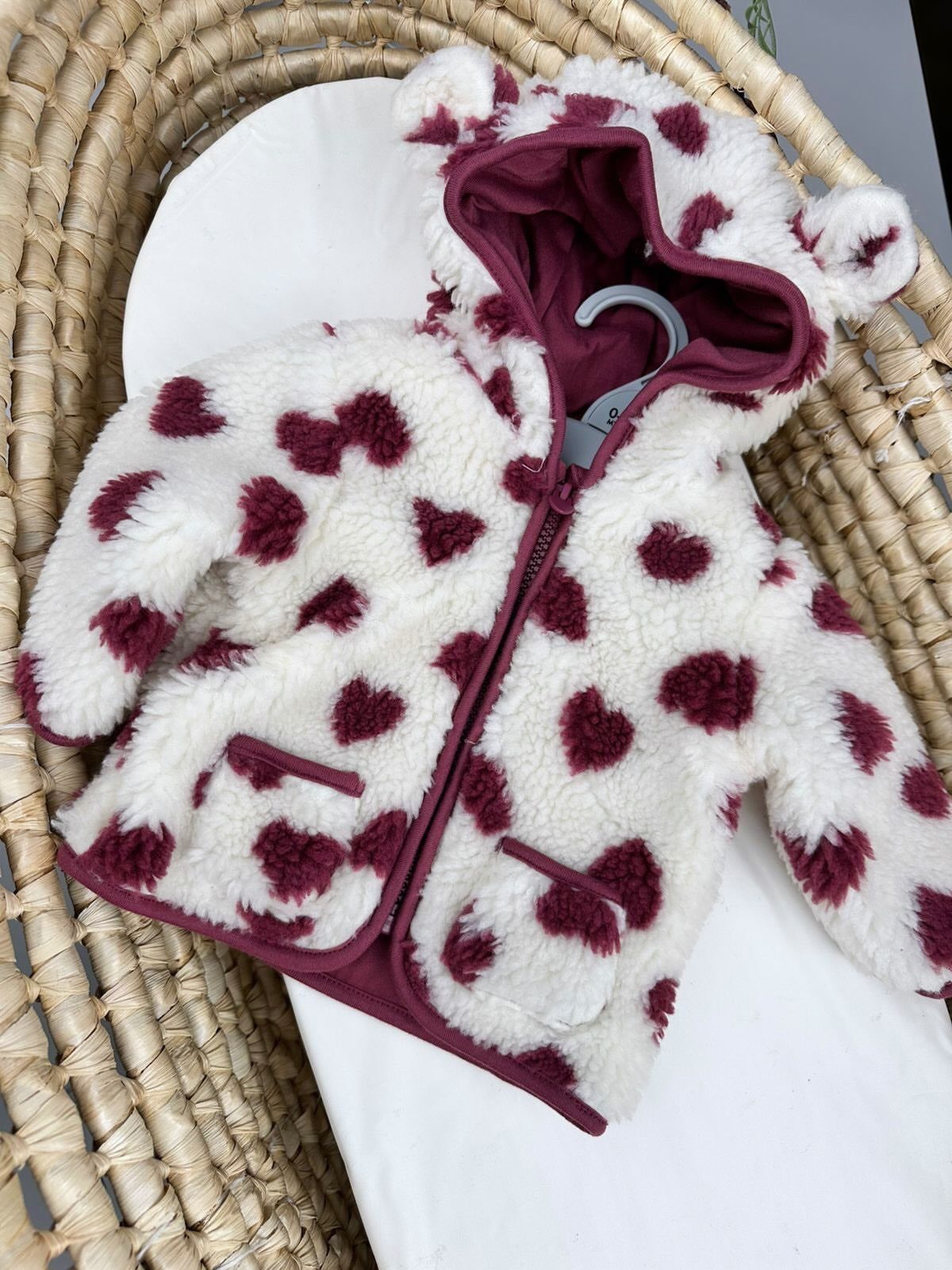
A fluffy fleece jacket with a hood is the layer I would reach for most. It goes over a onesie on mild days and over a thicker layer when the temperature drops.
Because it is fleece, it stays light, so the baby is not bundled stiff. Pick one with a zip or snaps down the front, and skip anything that has to be pulled over the head.
6. Fuzzy Bear-eared Jumpsuits
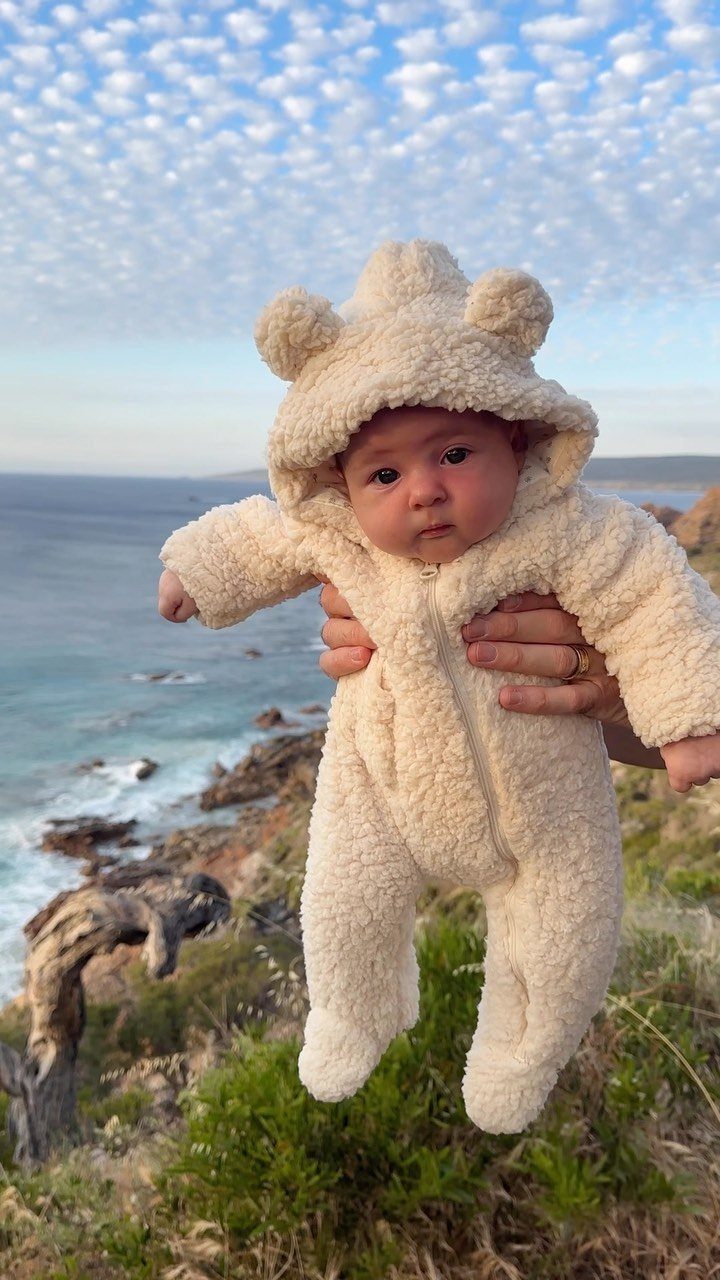
Cream fuzzy bear ears on a hooded fleece jumpsuit are hard to resist, and the fabric does real work on a windy walk by the water.
The hood and body come as one piece, so there are fewer parts to lose.
I would buy it a size up if the baby is small, since one-piece suits get snug fast. If you want extra warmth, add a thin cotton layer underneath.
7. Knit Cardigans and Pom-pom Beanies
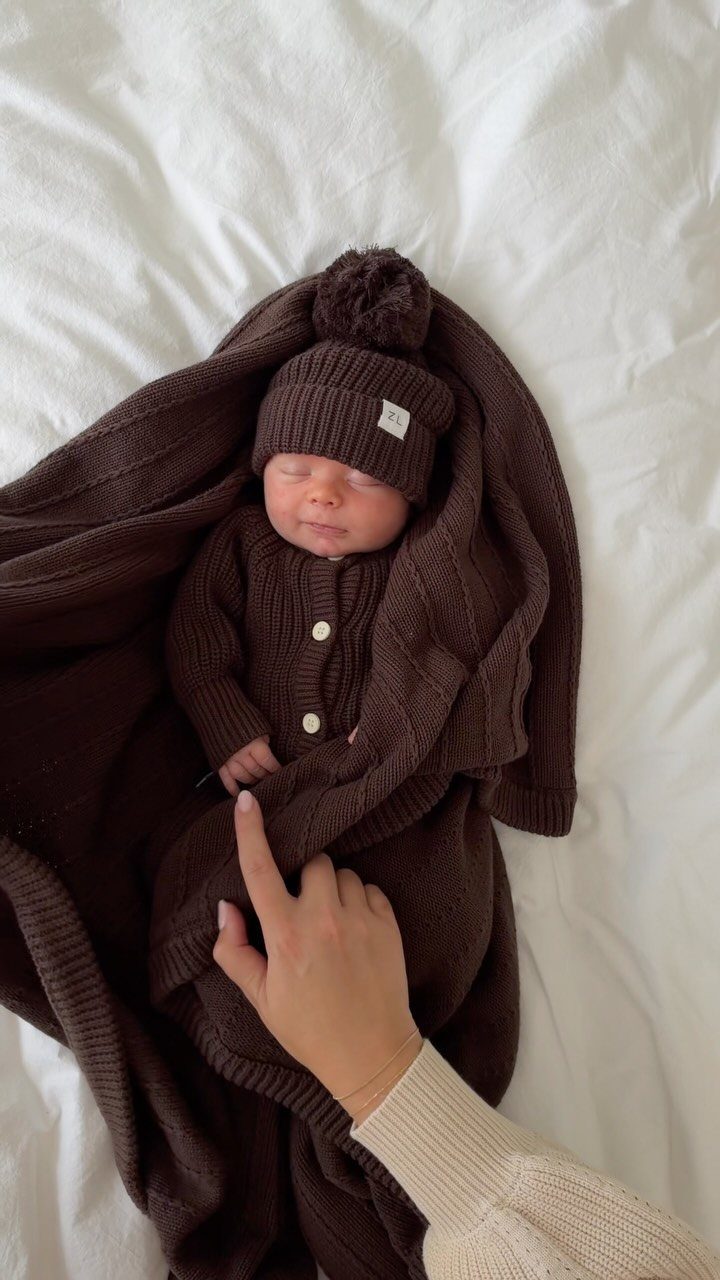
A brown knit cardigan with a matching pom-pom hat is a pairing I would pick for a newborn who spends most of the day asleep.
Matching pieces mean no guessing about colors, and the same shade as a knit blanket looks calm and finished.
Choose a cardigan with buttons or snaps down the front so it opens flat. A pom-pom adds bulk, so check that the baby can lie on their back in the hat without it pressing on the head.
8. Soft-sole Booties and Cozy Socks
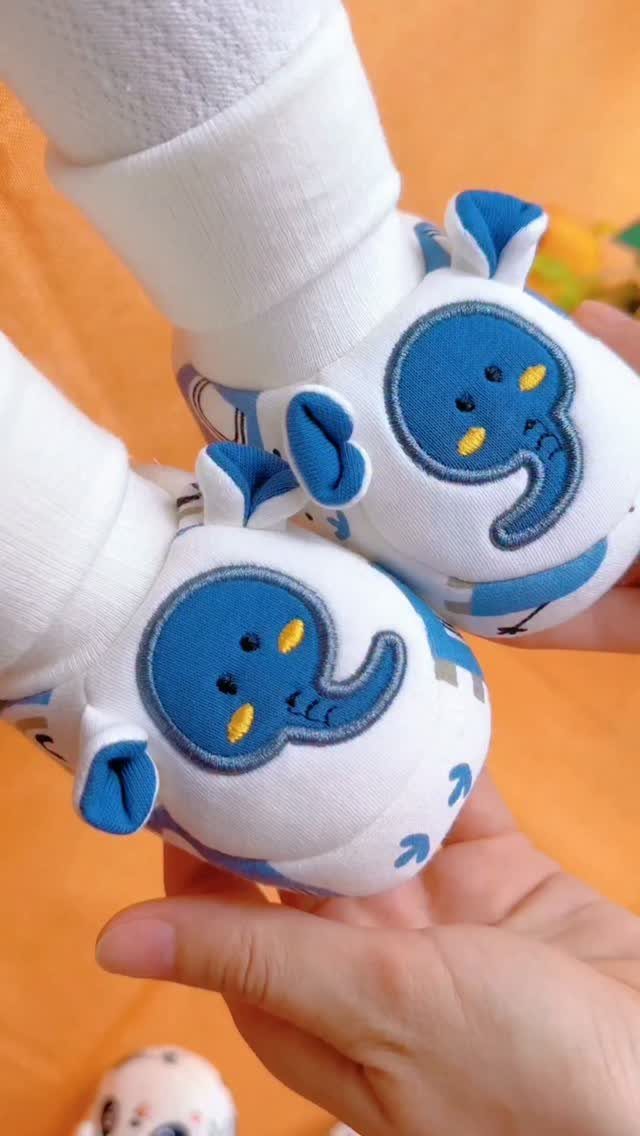
White booties with a cute face on the toe, worn over a pair of plain white socks, give a newborn 2 layers on the feet. Socks alone slip off in minutes, and the bootie holds them on.
Pick a soft sole that bends easily and a snug opening around the ankle.
Skip anything stiff, since newborn feet are not walking yet. Buy two pairs of socks, because one always goes missing.
9. Cozy Knit Romper and Beanie
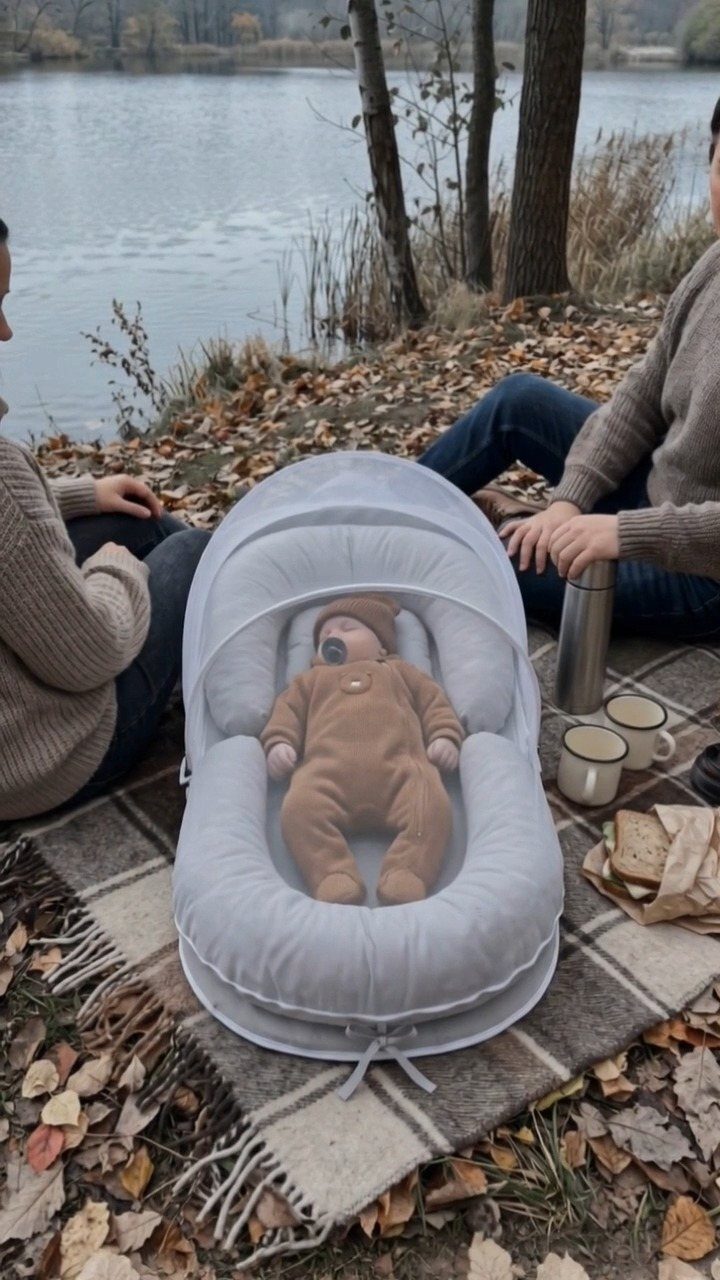
A knit one-piece romper with a matching knit hat is the outfit I would choose for a newborn who will lie still outdoors on a blanket by the water.
One piece means no gap at the waist where a cool breeze gets in.
Look for snaps along the legs so diaper changes are quick.
Brown hides small spills well. Pack a spare in case of leaks, and add a blanket underneath if the ground is cool.
10. Warm Jacket and Floral Leggings
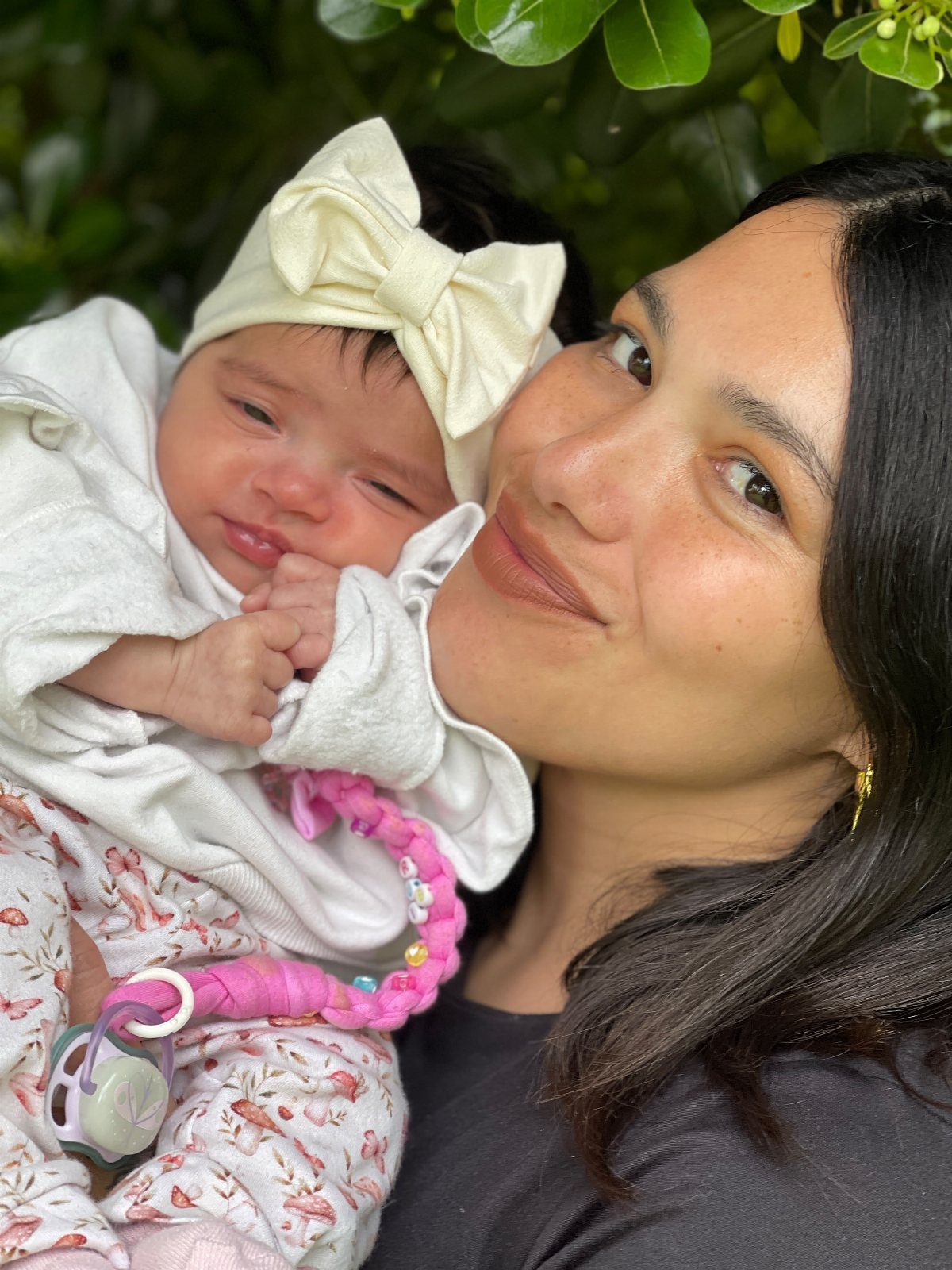
Floral leggings under a white jacket make a neat outfit for mild days, and a bow headband finishes it. Because the jacket is light, I would treat this as a spring or early fall look rather than a cold-weather one.
Pick leggings with a soft, stretchy waistband that will not dig into a newborn’s belly. A pacifier clip pinned to the jacket keeps the pacifier off the ground, which is worth the few dollars.
Signs of Temperature Discomfort
Check the skin, not just the hands. Cold hands or feet can mean a baby is chilly, though newborn hands often run cool anyway, so feel the chest or back of the neck before adding anything.
Flushed cheeks, a sweaty neck or back, rapid breathing, or fussiness point to too much heat. Take a layer off right away and move the baby into shade.
For a first guess outdoors, I put the baby in one layer more than I have on myself, then check and adjust. Above 75°F, one layer is usually enough.
Newborns cannot regulate their body temperature yet, so hot, humid days carry risk too, not just cold ones. Keep sun exposure to a minimum, and if you are wearing the baby in a carrier, choose breathable fabric.
Dressing Tips for Different Seasons
Fabric matters as much as layer count.
Cotton, wool, and bamboo let air move through, which synthetics don’t, and fleece is the one I reach for once it turns cold. In real heat, I pick bamboo or muslin over anything else.
On mild days, use the same one-extra-layer rule: dress for yourself, then add one for the baby.
Dampness is the quiet problem. Wet clothing can chill a baby even when the weather is only cool, so check the diaper often and change anything damp.
In any season, shade the baby with the stroller or car seat canopy, a hat, or shelter. In summer, go thinner at night too, such as a light onesie with a thin sleep sack.
Safety in Outdoor Gear
Fit comes before looks. Skip loose strings, bulky hoods, and thick padding, especially anything the baby will wear in a car seat, where extra fabric can change how the harness sits.
Check the fit with the baby buckled in. If the straps cannot lie flat against the chest, choose something thinner and cover the baby with a blanket over the harness instead.
Strings near the neck are worth cutting off or avoiding altogether. When style and safety disagree, safety wins.
Frequently Asked Questions
What should a newborn baby wear outside?
My rule for the door: one more layer than I’m wearing, then a check a few minutes in. Fleece jackets, zip-front snowsuits, and knit cardigans with a hat all work, and above 75°F one layer is usually enough.
What should I dress my newborn in for different weather?
For cold days, a fleece bunting or a one-piece suit with a zipper running the full front works best, over a thin cotton layer.
In heat, bamboo or muslin is my pick because it lets air move through. Keep the baby dry too, since damp clothing causes chills even when it is only cool out.