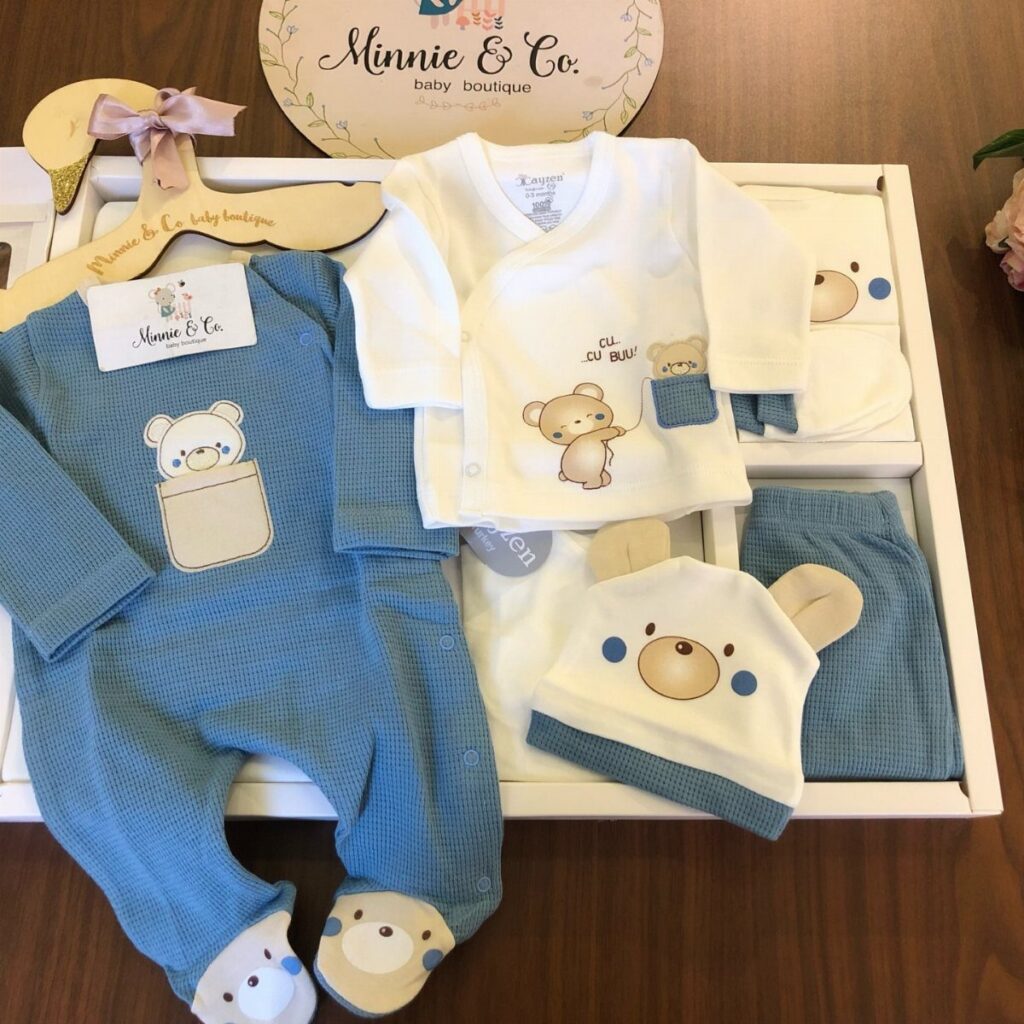
What decides the pick is how the piece will be used: a long sleeve zip romper for the daily rotation that gets washed constantly, and a gift set or vintage-style outfit for a shower, photos or a visit with grandparents.
The list runs from gift sets and dress-up pieces to organic materials, a sustainable wardrobe and sizing, and the romper alone covers sizes 0000–2.
Check each brand’s own size chart first, since a "newborn" tag fits differently from one maker to the next.
1. Curated Gift Sets
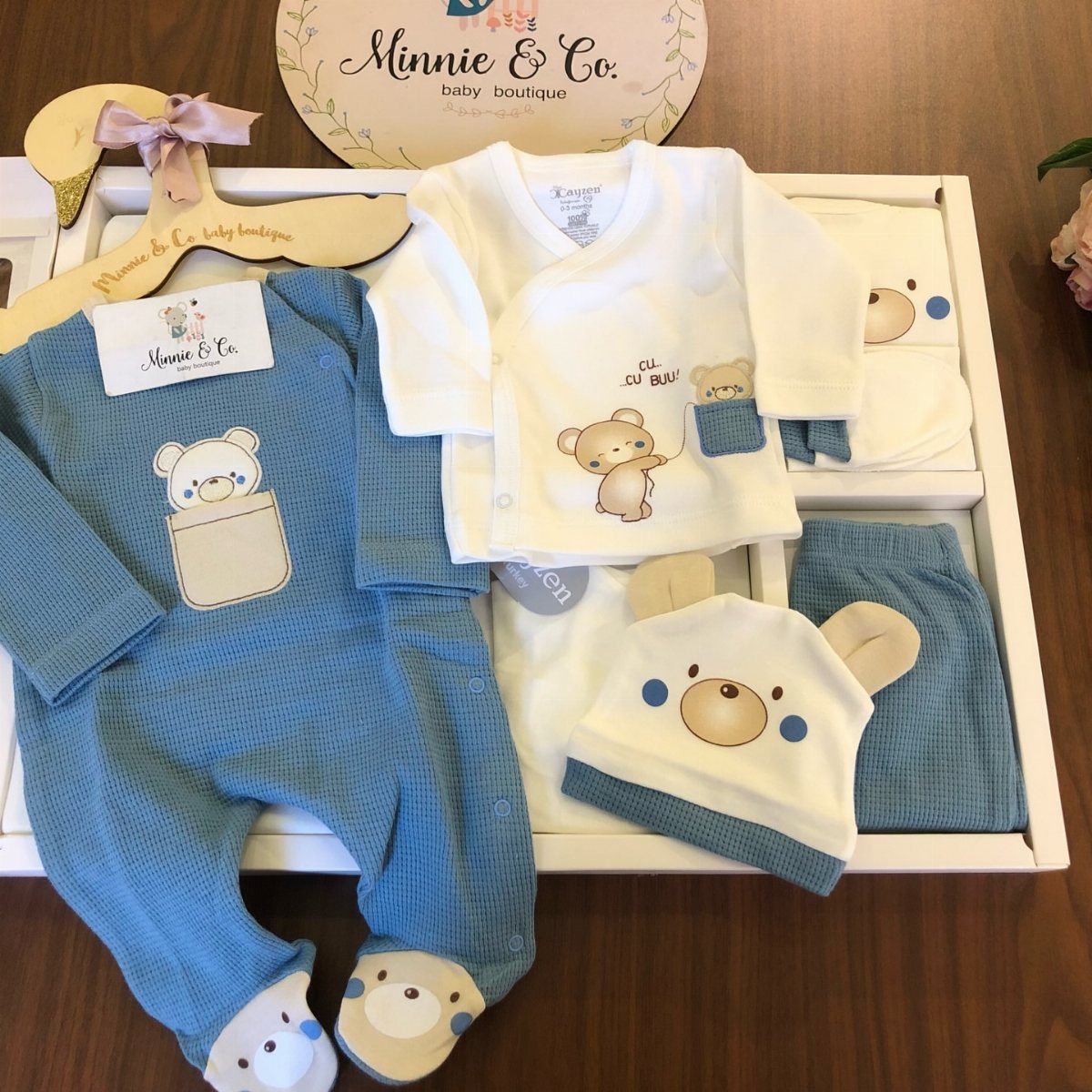
A boxed set earns its place when the pieces already match, so look for one built around a single theme, like a romper, shirt, pants and hat that all share the same animal.
That saves the gift giver from guessing which top goes with which bottom.
For a newborn shower, I would pick a set like this over a single outfit. Check the size on the tags before buying, since a newborn grows out of the smallest sizes fast.
The box doubles as the wrapping, which keeps the cost down.
2. Long Sleeve Zip All in One Romper
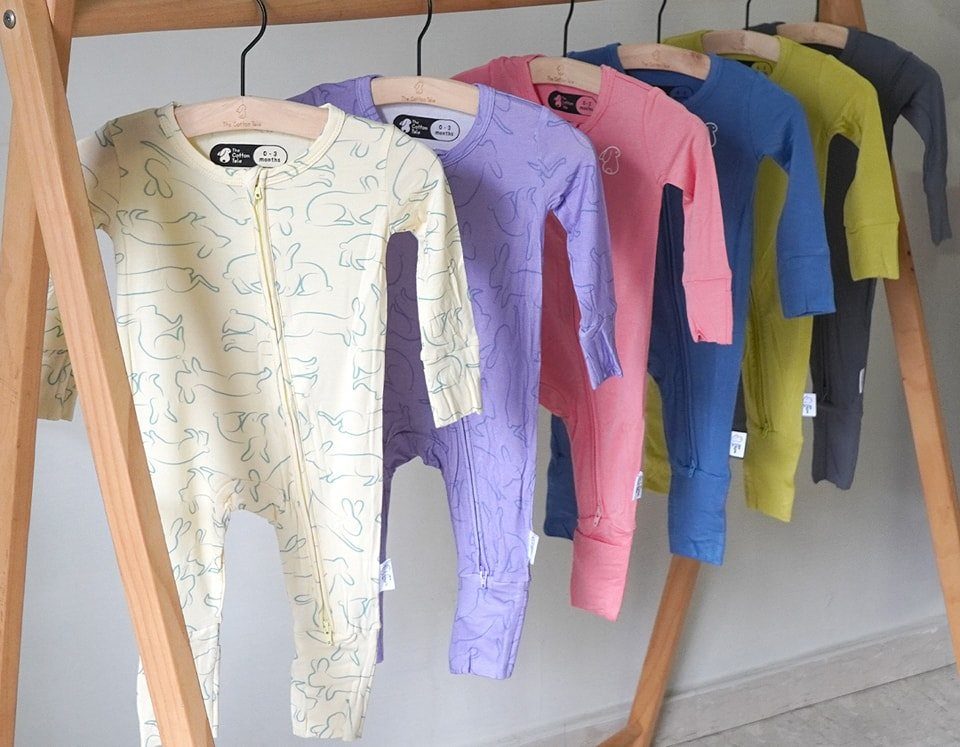
Zippers beat snaps in the middle of the night. One pull from the top or bottom and the diaper is reachable, with no lining up a row of tiny snaps in the dark.
This romper runs in sizes 0000–2, so one style covers newborn through toddler. Long sleeves suit cooler rooms and layer easily.
Buy a few colors, because spit-up and diaper blowouts mean a daily change. The trade-off: a long zip means the whole romper has to open each time.
3. Vintage-Style Outfits
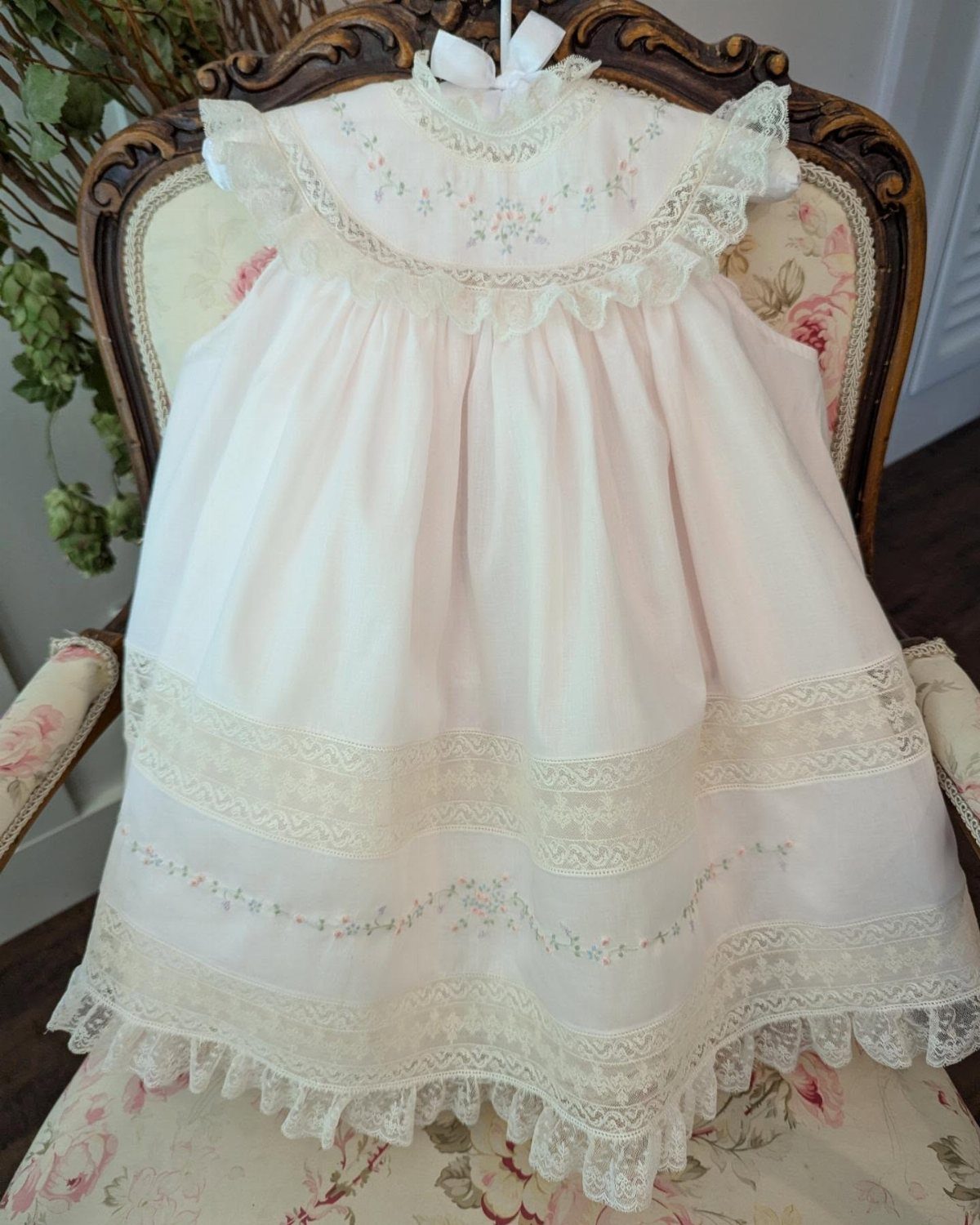
Vintage-style newborn outfits made in the USA are appealing for photos, a blessing day or a visit with grandparents.
I would keep this for dress-up rather than daily wear. Delicate trim and embroidery usually call for gentler washing, so check the care tag before buying.
Pair it with a plain bodysuit underneath if the lace feels scratchy against skin.
Importance of Organic Materials
Organic cotton is the material to look for on a newborn tag. It is grown without harsh chemicals and pesticides, and it feels soft and breathable against thin skin.
Kate Quinn Organics keeps its organic baby basics plain on purpose: soft knits, simple cuts, nothing scratchy at the neckline. If you want a modern look without loud prints, start there.
Look for GOTS certification on the label. It is a clearer signal than the word "organic" alone.
Bamboo is the other fabric worth knowing.
It is very soft, breathable and moisture-wicking, so it suits sensitive skin. For everyday wear, organic cotton holds up better, so it’s the one I’d pick for the pieces that get washed constantly.
Organic pieces often cost more, but I think they earn it when they hold up well enough to pass to the next baby.
Wash them on a gentle cycle with a mild detergent and they stay soft instead of going stiff after a few rounds.
Building a Sustainable Wardrobe
Pick pieces that work together before you pick anything cute. If every top goes with every bottom, a small stack of clothes makes many outfits.
That saves money, and it cuts waste, because fewer pieces sit in a drawer unworn.
A simple way to do it: choose 2 or 3 neutral colors and keep patterns to one or two items. Plain bodysuits and pants in the same palette mix freely, and a single printed piece can sit on top.
Mixing also makes hand-me-downs easier. Solid, coordinated pieces pass to the next baby or a friend without looking dated or mismatched.
Choosing the Right Size
Sizing charts matter more than the size name on the tag. Some brands run larger or smaller than standard sizes, so a "newborn" from one maker can fit differently than another.
Compare your baby’s weight and length against each brand’s own chart before ordering. Don’t assume your usual size carries over.
If you are between sizes, I lean toward the larger one for tops and rompers, since babies grow fast and a little room is easy to roll or fold. Tight necklines and leg openings are the ones to avoid.
Keep return policies in mind when you buy from a new brand. A chart is a guide, and the first wash can change the fit.
Frequently Asked Questions
What are some websites that sell baby clothes?
Feltman Brothers and Kianao both sell a range of baby clothes.
For organic basics, Kate Quinn Organics keeps designs plain, with soft knits and simple cuts. Baby Gap often runs sales, and photo-shoot outfits can come in under $15, but full-price pieces don’t match the quality.
What clothes are 100% made in the USA?
Mabo Clothier and Color Cloud Mill focus on 100% American-made clothing. Check each tag or product page, since a brand can make only part of its line domestically.
What are most baby clothes made of?
Cotton covers most of what hangs in a baby’s drawer, and organic cotton and bamboo are the soft options I’d look at first. Bamboo is very soft and moisture-wicking, but organic cotton holds up better to constant washing.