The ideas here run from an HBCU graphic tee outfit and an urban streetwear hoodie to a formal shimmering African gown, and what decides your pick is how much of the outfit you want the fabric to carry.
A loud Ankara print or Kente stole needs everything around it kept solid and simple, while a quiet piece like a burnt orange dress and matching headwrap gives you shape without the pattern.
Anyone unsure about wearing traditional prints at all should head to the Cultural Appropriation Concerns section, where I lay out where people disagree and which choices are safer.
1. Cultural Clothing Styles
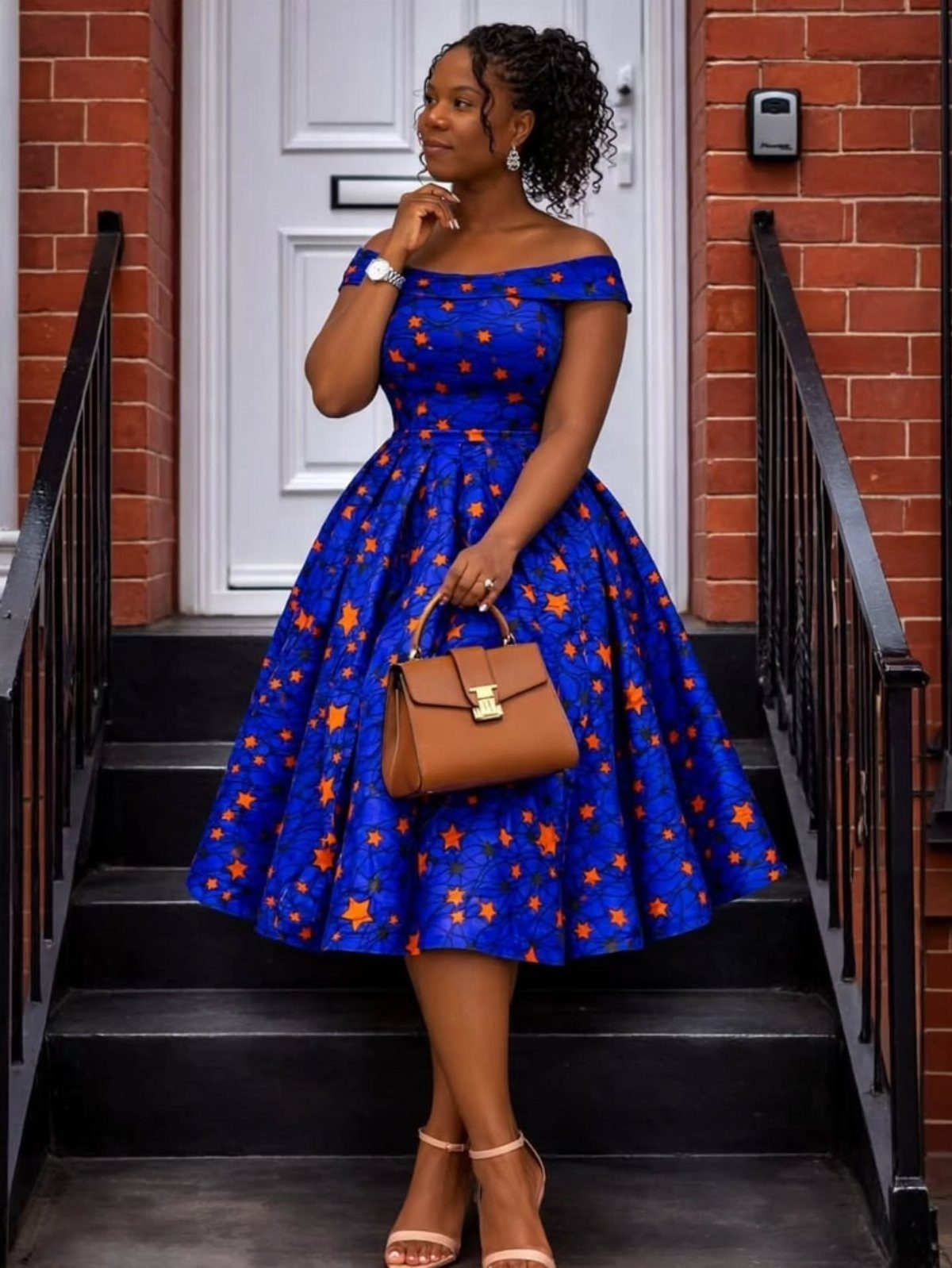
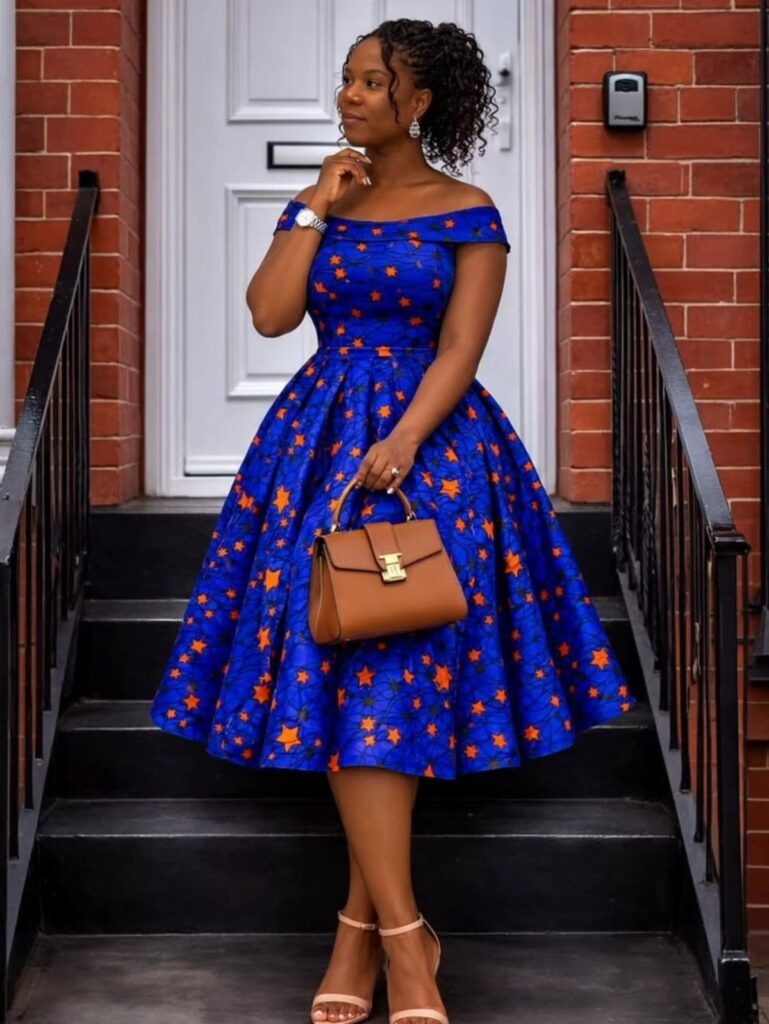
With a pattern this loud, I let the print do the talking: one handbag in neutral brown, simple shoes, no competing jewelry.
The off-the-shoulder neckline suits warm days. Pick it for a traditional-inspired print in a modern cut.
2. Matching Family Outfits
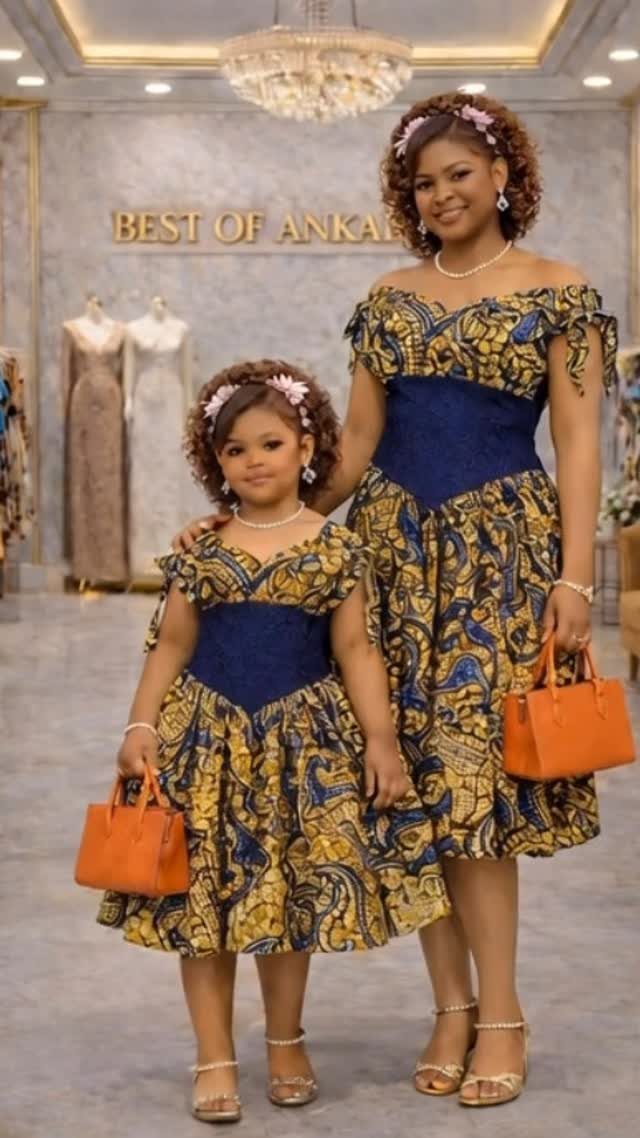
Mother and daughter in the same yellow and blue Ankara print make the easiest case for matching: the fabric does the work, so the cuts can differ.
I like that the handbags match too, since small accessories tie a pair together without needing identical dresses.
If you are dressing a whole family, buy the print in one batch so the colors line up. Dye can shift between orders.
3. Ankara Prints
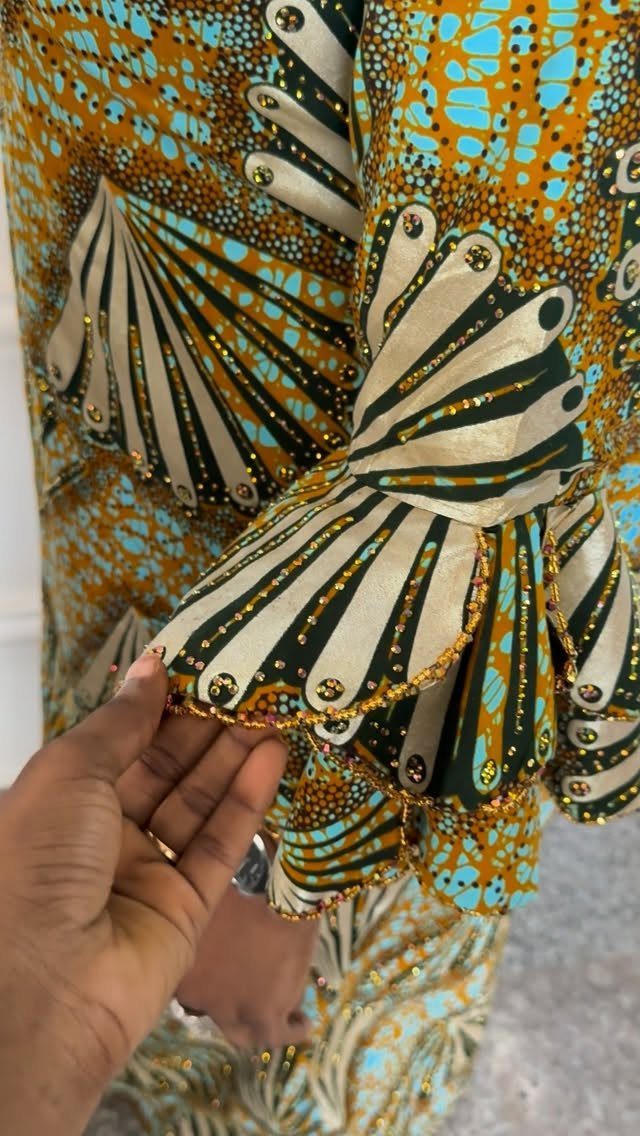
Fan-shaped sleeves like these ask for a plain neckline and no statement necklace, because the detail already fills the space.
Touch the fabric before you commit, if you can. Beaded trim adds weight and needs gentler care than the cloth alone, so I would spot clean it and skip the washing machine.
4. Dashiki Clothing
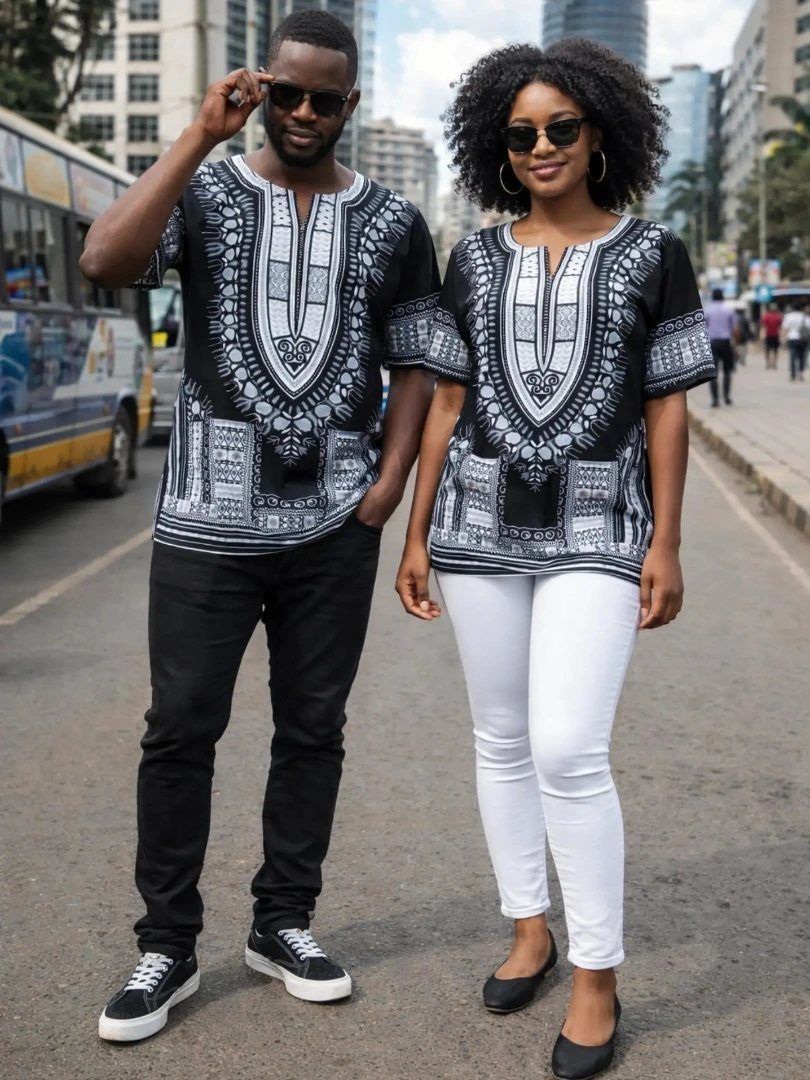
Black and white dashiki shirts worn as a pair look sharp on a city street, and the two-tone palette keeps them from feeling costume-like. For a first dashiki, I would choose this restrained colorway over a bright multicolor one.
Wear it with plain jeans or dark pants. The shirt is loose and graphic enough that everything else you wear with it should stay simple.
5. Headwrap and Skirt Set
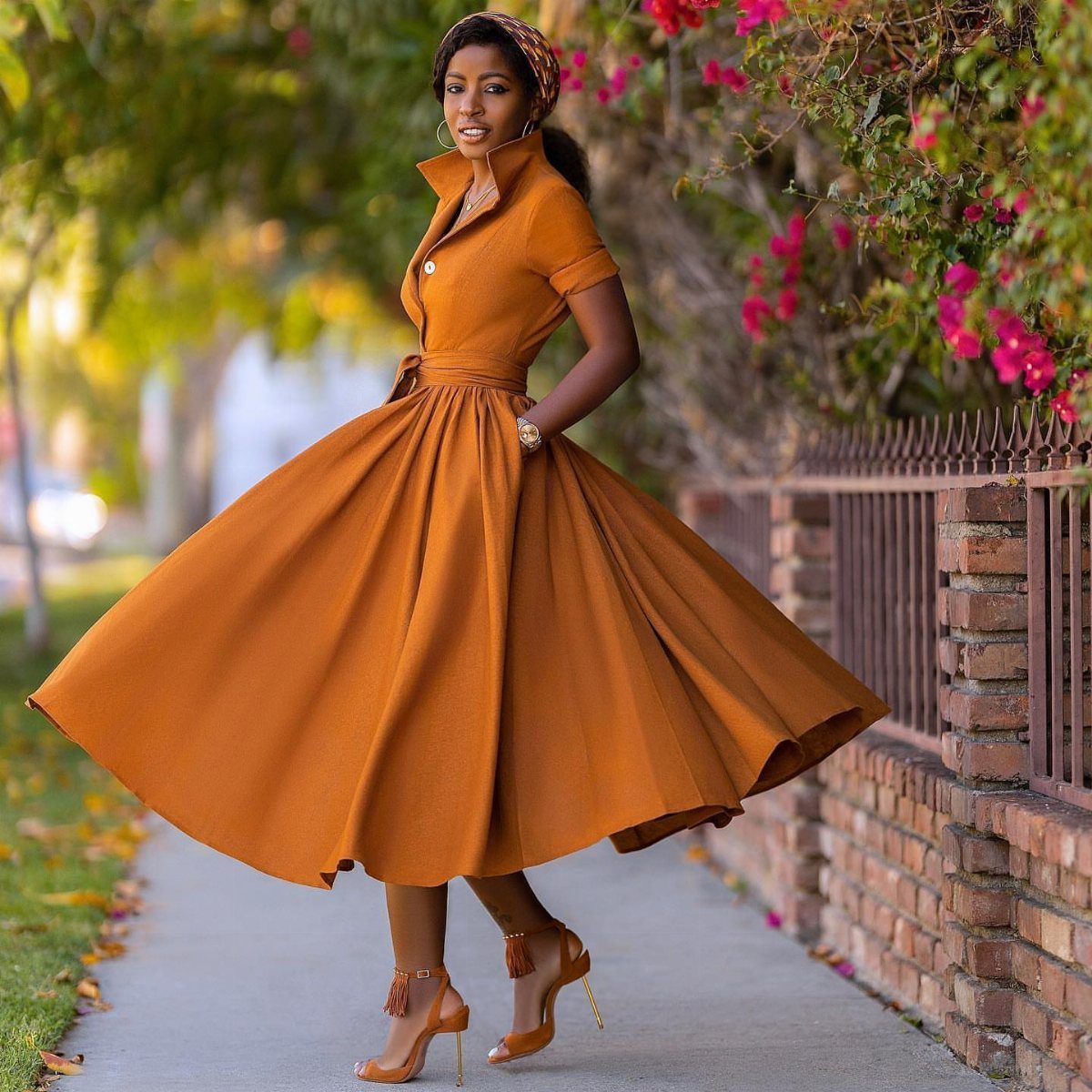
Burnt orange does a lot here: a short-sleeved dress with a full skirt and a headwrap cut from the same color reads as one deliberate look. Matching the wrap to the dress is the part I would copy first.
Solid color means the shape gets the attention, so a full skirt earns its place. It is a good pick when you want African-inspired style without a loud print.
6. Kente Cloth Graduation Stoles
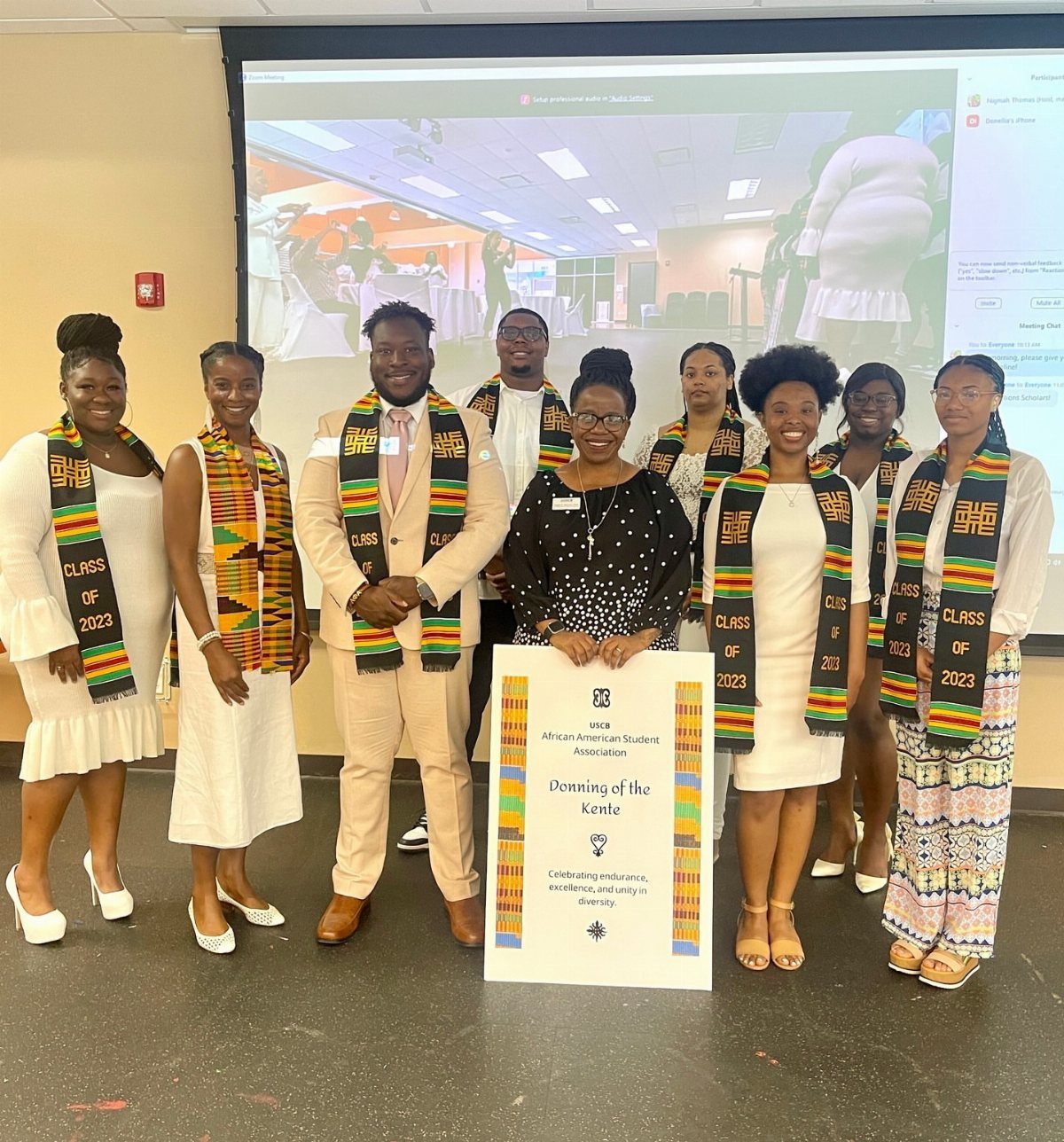
White outfits make Kente stoles stand out, since the woven color has nothing to compete with. A suit or a solid white dress under the stole is all it takes.
Plan the clothes around the stole rather than the other way around. Keep the base layer solid and unpatterned, and let the cloth sit flat across the shoulders.
7. Embroidered Cultural Blazer
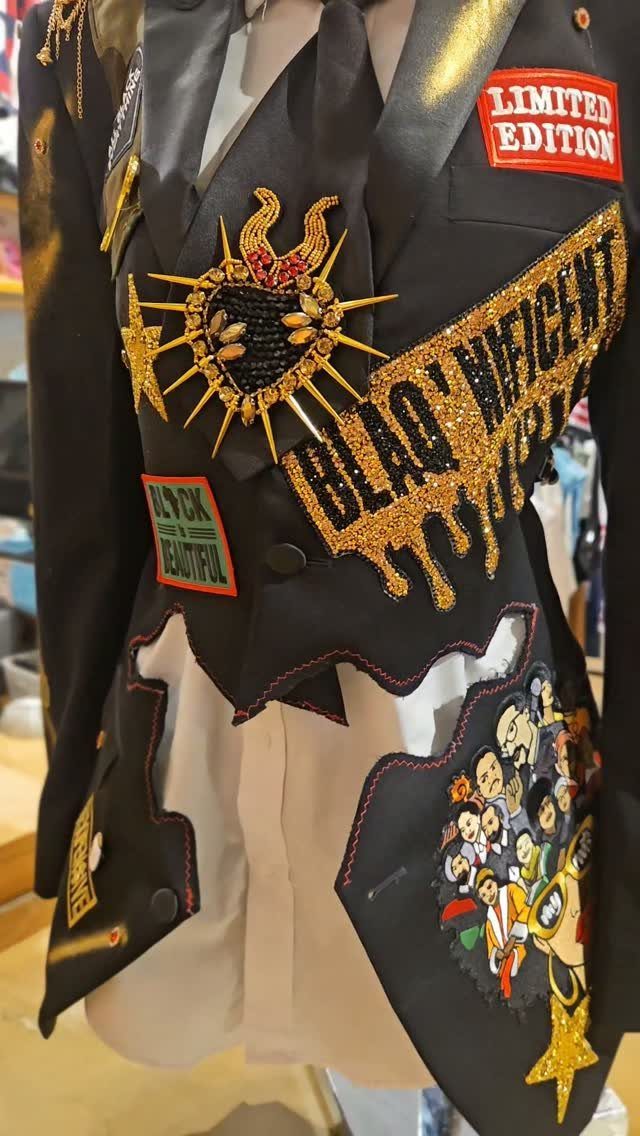
Gold sequins on black already read as celebration, so the blazer needs only a simple white shirt under it. Patches and lettering already make the jacket a statement piece.
Keep the trousers dark and the shoes simple. A limited-run piece like this is one I would wear for an event or a night out, and I would spot clean the sequined parts rather than machine wash them.
8. HBCU Graphic Tee Outfit
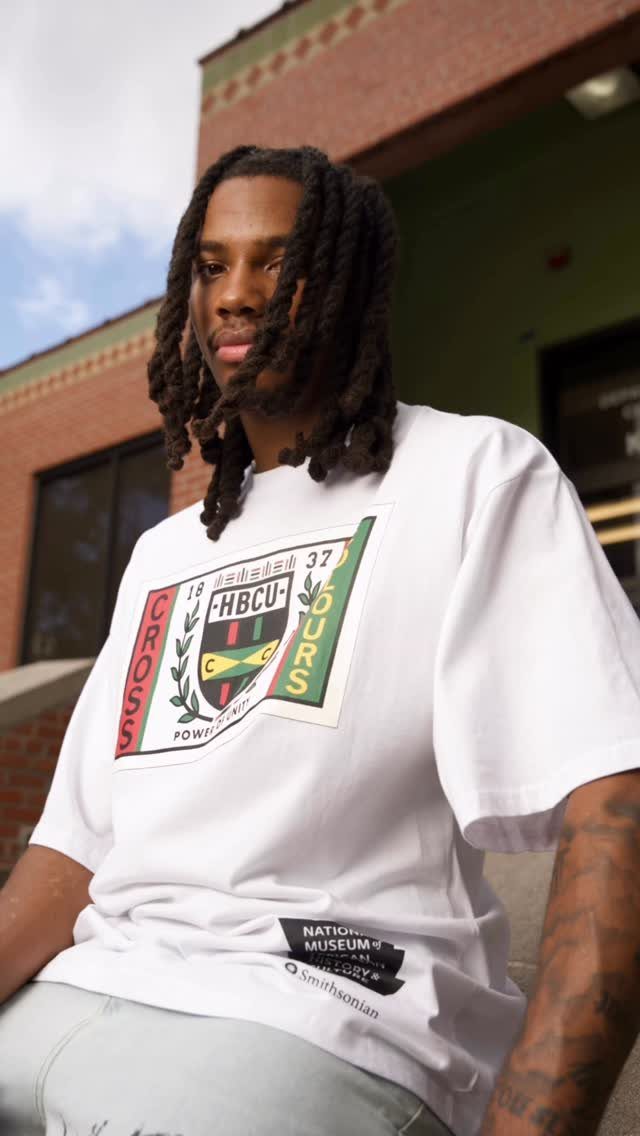
A white graphic tee with light neutral trousers is an easy way to wear school pride. Because the shirt carries the message, I keep the pants plain and let the lettering be the only loud thing.
Pick a tee with a clean, readable graphic. Pair it with white or tan sneakers so the whole outfit stays light and uncluttered.
9. Embroidered Men’s Tunic
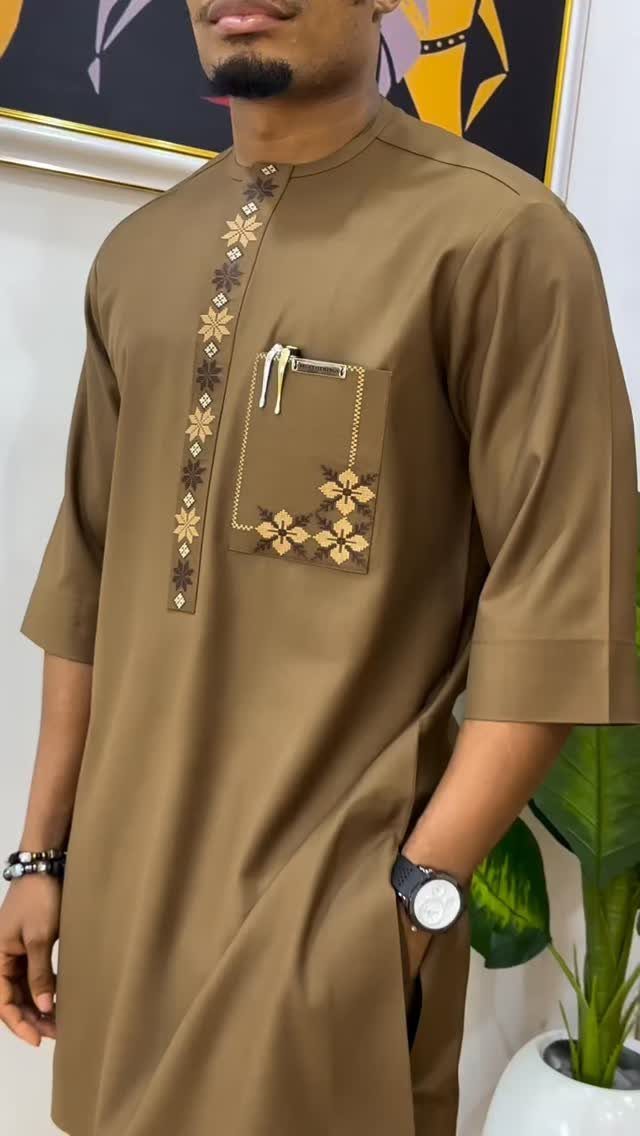
Gold floral stitching along the placket and pocket is what makes a plain brown tunic worth buying. Earth tones let the embroidery look rich instead of busy, and the short sleeves keep it easy in warm weather.
Look closely at the stitching in person or in the seller’s photos first, since embroidery this fine should lie flat and not pucker the fabric.
10. Two-Piece Crop Top Set
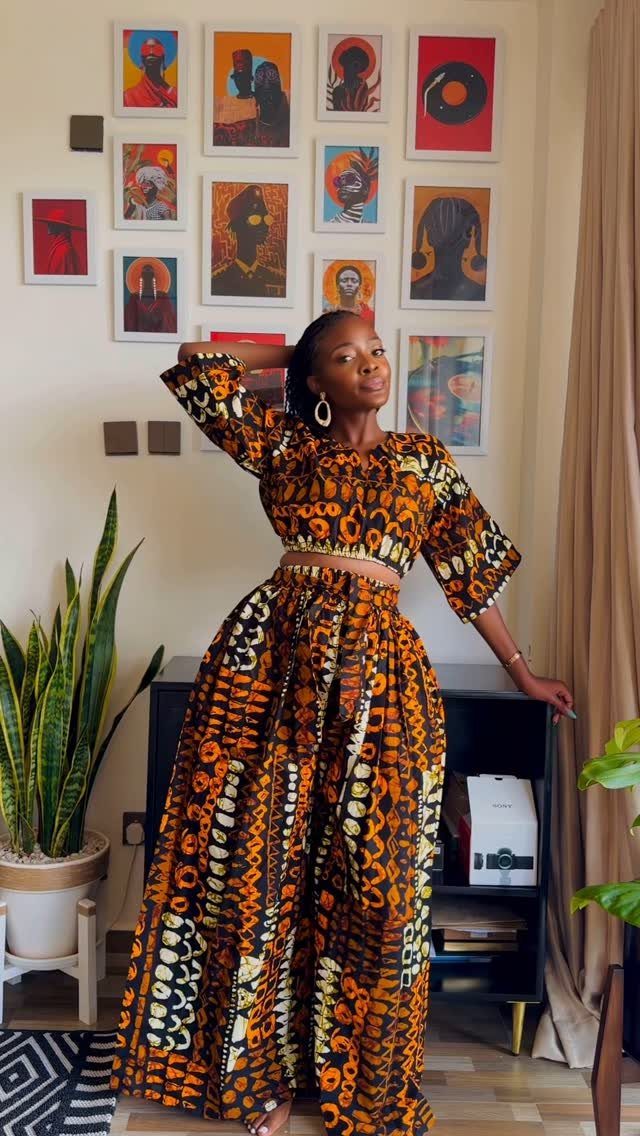
Because the print runs across both pieces, the set works as one outfit and also splits into two. The high-waisted, wide-leg trousers balance a short crop top, so I would keep shoes and jewelry minimal.
Buy the pieces together so the print lines up. Later, the trousers can go with a solid top and the crop top with plain jeans.
11. Urban Streetwear Hoodie Style

A beige graphic hoodie, ripped black jeans and white sneakers make a three-part formula that is hard to get wrong. The light hoodie against dark denim gives contrast, and the sneakers keep it crisp.
Choose a hoodie where the graphic is the only detail. With distressed jeans already doing the texture work, anything more gets crowded fast.
12. Formal Shimmering African Gown

A floor-length gown in magenta and gold shimmer is made for weddings and other dressed-up events. The shawl in the same fabric matters: it finishes the look and gives you something to adjust when the room gets cool.
A gold clutch suits this gown well, and heavy necklaces only compete with the fabric. Metallic cloth already catches the light, so I would let it do the work and pick quiet shoes, jewelry and hair.
Importance of Supporting Black Brands
Buying from Black-owned brands is one of the simplest ways to put money toward economic justice, and it works against systemic racism in the fashion industry. Each purchase is a small vote.
Go straight to a brand’s own website when you can. The designer keeps the full markup that a middleman would otherwise take.
Check who founded the label and who runs it first, since that tells you where your money actually lands. Many Black women founders have built brands that deserve a spot in your regular rotation, not just a one-time purchase.
Shopping Online for African Fashion
A growing number of African fashion labels run their own web shops, and a few will mail an order overseas. You no longer need a trip abroad or a specialty shop to find original styles.
Buy straight from the brand’s website when possible, since the designer then keeps the full markup. Stores that stock and represent African and African-diaspora labels are another good starting point if you want many designers in one place.
Online ordering means you can’t touch the fabric, so read the product description for material details and care instructions. Check the sizing chart too, because every brand cuts a little differently.
Cultural Appropriation Concerns
Who should wear traditional African clothing is a real debate, and the people in it don’t agree.
One Ghana-based editor says yes without hesitation: buying from Black designers brings people together. A founder who sells African and diaspora brands says she doesn’t recommend non-Black people wearing dashikis, and she calls that a personal view.
If you’re unsure, skip the traditional patterns and choose solid colors. Some African designers pull from their heritage without making it the entire point of every piece, so you get wider options to pick from.
Shops that stock pieces without overt traditional elements are the safest bet. One retailer states on its site that every item is meant for anyone to wear, whatever their skin color.